The Pitt HBO ICE Episode Changes: Unpacking the Outrage Over Hospital Raids
The latest season of the acclaimed medical drama, The Pitt, has once again proven its prowess in tackling highly sensitive and contemporary issues, but none quite as profoundly as its Season 2, Episode 11. This particular installment didn't just entertain; it ignited a firestorm of discussion and outrage, directly confronting the deeply contentious practice of immigration enforcement in healthcare settings. Titled "Nurse Arrested," the episode vividly portrayed an Immigration and Customs Enforcement (ICE) raid within the walls of a hospital, revealing the chaotic and heartbreaking real-world policy shifts and ethical dilemmas that have come to define these encounters. This episode of The Pitt HBO ICE Episode Changes everything viewers thought they knew about medical dramas and their capacity to reflect harsh societal realities.
A Fictional Narrative, A Very Real Crisis
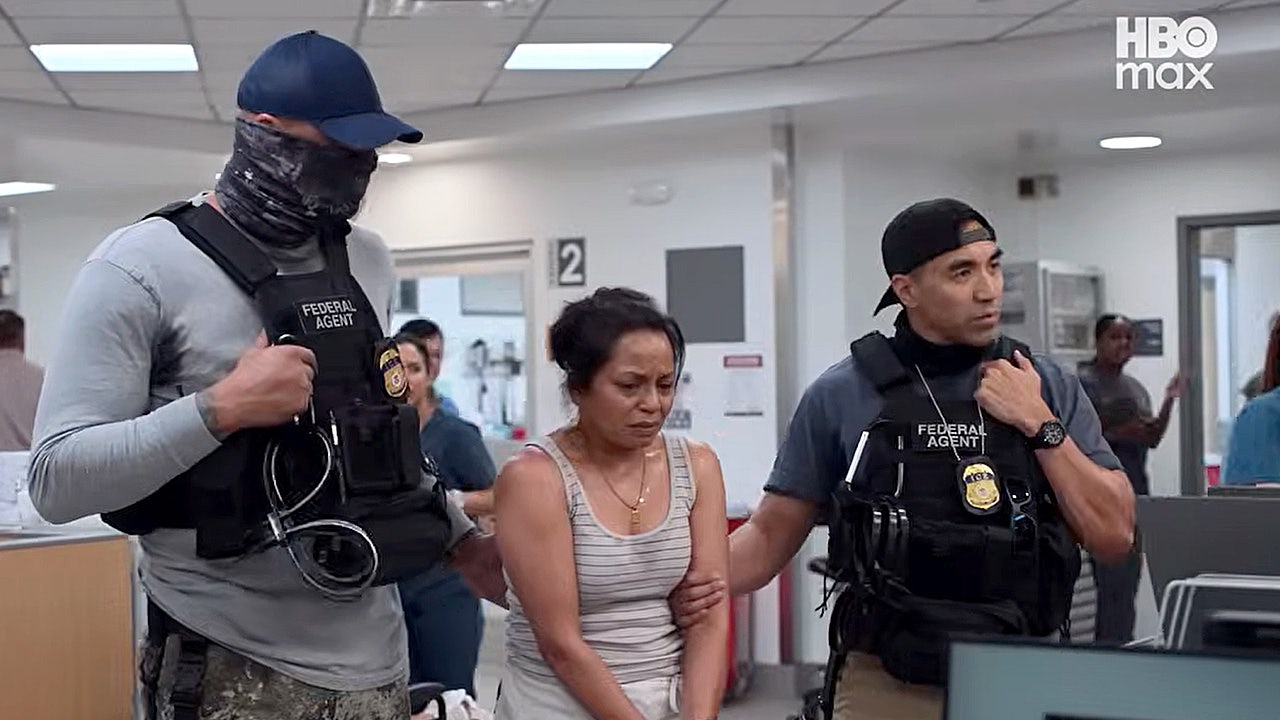
The episode opens with two ICE agents bringing a woman named Pranita into the emergency room. She sustained a rotator cuff tear after a restaurant raid and required medical clearance before processing. What followed was a stark, unvarnished depiction of how such events ripple through a healthcare facility. The mere presence of ICE agents caused the waiting room to empty, as patients, fearing detention or deportation, opted to leave without treatment. Nurses with temporary protected status, feeling unsafe, walked off the floor, depleting an already strained staff. The hospital's ability to provide essential care was immediately compromised.
Dr. Robby, a central figure in the series, confronted the agents, pleading with them to consider the patients' legal right to emergency care, regardless of immigration status. His desperate request for them to wait in a separate room to prevent further patient and staff exodus was initially met with a dismissive "No problem, doc." However, this brief moment of appeasement was short-lived. Once Pranita's X-ray confirmed a rotator cuff tear requiring a sling, the agents’ patience wore thin. They decided to remove her immediately, refusing calls to her daughter or even allowing staff to bring a sling. When Nurse Jesse stepped in to protect Pranita and ensure she received necessary care, he was brutally thrown to the ground, zip-tied, and arrested on the ER floor. The scene left Dr. Robby reeling, forced to compartmentalize the trauma and focus on the job, a chilling reflection of how healthcare professionals cope with such profound violations of their humanitarian mission. Both Pranita and Jesse were taken away, their destinations unknown.
The Pitt HBO ICE Episode Changes: Real-World Policy and Profound Impact
What makes this particular episode of The Pitt so impactful is its grounding in actual events and policy shifts. Creator R. Scott Gemmill revealed that the storyline was conceived in early-to-mid 2025, a period when ICE had begun showing up in hospitals with increasing frequency. He noted, "Things unfortunately, have gotten much more severe than what we had ever imagined." This statement underscores the critical reality that the show isn't merely fabricating drama; it's echoing a disturbing trend.
Historically, under Presidents Obama and Biden, hospitals were legally recognized as "sensitive locations" or "protected areas" where immigration enforcement was generally barred, except in extraordinary circumstances. This policy was designed to ensure that individuals, regardless of their immigration status, could seek life-saving medical attention without fear. However, the Trump administration revoked this protective designation upon taking office, paving the way for the very scenarios depicted in The Pitt. This significant policy alteration is one of the most crucial The Pitt HBO ICE Episode Changes brings to the forefront, highlighting how political decisions directly impact public health and safety.
The consequences of this policy shift have been devastating. Hospitals across the U.S. have reported that even rumors of ICE activity can cause patients to abandon treatment mid-way. A documented case in Portland, where parents bringing their 7-year-old daughter for a nosebleed were detained in the parking lot, serves as a stark reminder of the real human cost. To ensure accuracy and authenticity, the show's producers consulted extensively with real ER nurses and doctors throughout production, ensuring their portrayal of events was not only dramatic but also factually representative of the challenges faced by healthcare providers on the front lines.
For a deeper dive into these real-world implications, read our article: The Pitt's ICE Episode: Real-World Policy Shifts Behind Hospital Raids.
The Broader Ethical and Societal Implications of Hospital Raids
The The Pitt episode goes beyond a single narrative; it's a powerful commentary on the erosion of trust in healthcare institutions. When hospitals, traditionally seen as sanctuaries for healing, become sites of apprehension, the fundamental principle of universal access to care is jeopardized. This creates a terrifying dilemma for healthcare professionals who are bound by ethical codes to treat all patients equally, irrespective of their background or legal status. The emotional toll on staff, exemplified by Nurse Jesse's arrest and Dr. Robby's internalized struggle, is immense.
Furthermore, the public health consequences are dire. If undocumented individuals avoid seeking medical care due to fear of immigration enforcement, treatable conditions can worsen, leading to more severe illnesses, increased emergency room visits, and potentially the spread of infectious diseases within communities. This poses a risk not just to the uninsured or undocumented, but to the entire public health infrastructure. The episode effectively illustrates how a seemingly targeted enforcement action can have wide-ranging, detrimental effects on community well-being.
The role of media, particularly shows like The Pitt, in shedding light on these critical issues cannot be overstated. By bringing such harrowing scenarios into millions of homes, The Pitt HBO ICE Episode Changes the conversation, forcing viewers to confront uncomfortable truths and consider the human impact of policy decisions. It acts as a catalyst for awareness and potentially, advocacy.
To fully grasp the intricate details of this episode's impact, check out: The Pitt's ICE Episode: Unpacking the Hospital Raid That Stunned Viewers.
Navigating Complexities: Tips and Advocacy in a Changing Landscape
Given the alarming reality that hospitals may no longer be universally protected spaces, understanding one's rights and responsibilities becomes paramount. Here are some actionable insights and tips:
- For Healthcare Professionals:
- Know Your Hospital's Policy: Hospitals should have clear, well-communicated policies regarding interactions with law enforcement and immigration agents. Familiarize yourself with these guidelines.
- Prioritize Patient Care: Your primary ethical duty remains the well-being of your patient. Advocate for their right to care, even when facing external pressures.
- Document Everything: In any interaction with ICE, meticulously document times, names, badge numbers, and specific actions taken.
- Seek Legal Counsel: Hospitals should have legal teams on standby to advise staff during such encounters.
- For Patients (and their Advocates):
- Know Your Rights: Individuals have certain constitutional rights, regardless of immigration status. You generally have the right to remain silent and to speak with an attorney.
- Do Not Sign Documents Voluntarily: Do not sign anything without understanding it and consulting legal counsel.
- Seek Help: If you or someone you know faces immigration enforcement at a hospital, contact immigration legal aid organizations immediately.
- For Hospitals and Institutions:
- Establish Clear Protocols: Develop robust, institution-wide protocols for responding to ICE presence, ensuring staff are trained and aware.
- Legal Resources: Ensure immediate access to legal advice for staff and, where possible, for patients.
- Advocacy: Join national and local organizations advocating for the designation of hospitals as unequivocal sensitive locations.
- Community Outreach: Reassure local communities that your hospital remains a safe place for care, despite external challenges.
The profound impact depicted in The Pitt underscores the critical importance of understanding these *changes* in policy and their implications. Active engagement and informed advocacy are essential to protect the humanitarian mission of healthcare.
Conclusion: The Enduring Message of The Pitt HBO ICE Episode Changes
The Season 2, Episode 11 of The Pitt is more than just a powerful piece of television; it's a mirror reflecting a deeply troubling aspect of contemporary society. By vividly dramatizing an ICE raid in a hospital, the series brings to the forefront the devastating consequences of policy shifts that undermine the sanctity of healthcare spaces and the fundamental right to medical treatment. The arrest of Nurse Jesse, the exodus of patients, and the ethical anguish of Dr. Robby are not just plot points, but poignant reminders of the real human cost when humanitarian principles collide with aggressive enforcement. The outrage sparked by The Pitt HBO ICE Episode Changes serves as a crucial call to action, urging us to defend the protected status of hospitals and ensure that fear never prevents anyone from seeking the care they need.